Turn It Up, I Dare You: Why Your TV Sounds Like It’s Mumbling Through a Blanket

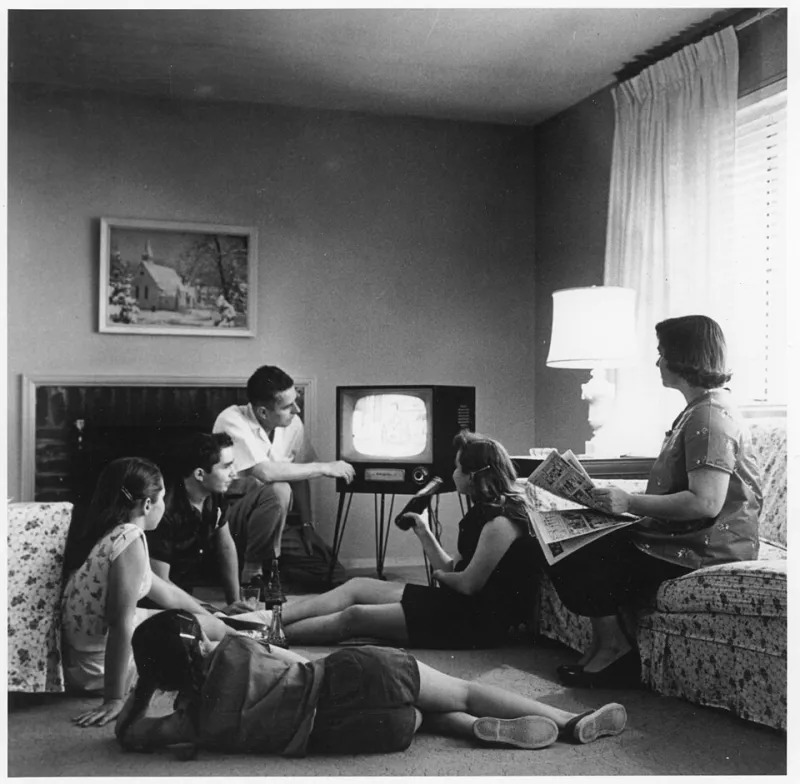
Photo: Ansgar Koreng, CC BY-SA 3.0 de, via Wikimedia Commons
Your soundbar is not broken. Your TV is not defective. And no, you are not suddenly worse at hearing. If you have spent the past few years cranking the volume during quiet dialogue scenes and then diving for the remote when the explosion hits, you have been living through one of the most annoying entertainment problems of the streaming era: movies and shows that sound terrible at home.
It is not one bug. It is a pileup. Theatrical mixes are built for giant rooms and carefully tuned speaker arrays. Streaming services squeeze all that audio into smaller files. Your living room has couches, windows, rugs, and maybe a soundbar that cost less than a decent pair of sneakers. And somewhere in the middle of that chain, dialogue gets lost like a whisper at a stadium concert.
In 2026, the conversation has finally gotten loud enough — ironically — that directors, sound editors, streamers, and TV makers are all testing fixes. Some are technical. Some are creative. A few are just better menus. But the core question remains: why does the most important sound in a movie, the talking, so often end up sounding like it is coming from the next apartment?
The Volume Button Workout
Think about your last movie night. You start at volume 18. By the second scene, you are at 24. During a whispered argument in a kitchen, you are at 31. Then a car chase starts and your neighbors learn what a subwoofer does. You toggle subtitles. You toggle them off because they cover the pretty cinematography. You toggle them back on. Congratulations: you have just performed the modern home-theater workout.
This is not a niche complaint. In the US, subtitles have quietly become a default setting for plenty of viewers, especially younger ones. That is partly a preference and partly a survival tactic. When dialogue is buried under music, effects, and room noise, reading becomes easier than rewinding. The fact that so many people accept subtitles as normal is a clue that the problem is not just about volume. It is about clarity.
Why the Theater Mix Does Not Travel
A theatrical mix is designed for a big room with a big screen and a speaker system calibrated to a reference level. The mix can have huge dynamic range — very quiet moments and very loud moments — because the room can handle it. Dialogue can sit in the center channel, effects can swirl around the room, and the audience is roughly in the same acoustic zone.
Your living room is not that. It is a near-field environment with odd reflections, a TV that might be firing sound backward, and a soundbar that is doing its best impression of a full surround system. When a theatrical mix gets translated to your space, the quiet stuff can become too quiet, the loud stuff can become too loud, and the dialogue can lose its anchor. It is not that the mix is bad. It is that it was built for a different building.
Compression Is the Villain (Sort Of)
Then comes streaming. To deliver video and audio efficiently, services compress the sound. That process can thin out detail, smush together frequencies, and make dialogue harder to separate from background music and effects. Add in the fact that many viewers are listening through built-in TV speakers or a single soundbar, and you have a recipe for mush.
There is also the downmixing problem. A show mixed in 5.1 or Dolby Atmos may be folded down to stereo on your setup. If that fold is not handled carefully, the center channel — where dialogue usually lives — can get spread across the front speakers and lose its prominence. Suddenly the hero’s big speech is competing with a passing bus, a synth score, and a dog barking two blocks away.
The 2026 Fixes Worth Watching
This is where 2026 gets interesting. Streamers and manufacturers are experimenting with dialogue-first options, smarter night modes, and personalized audio profiles. Some services have already dabbled in dialogue boost features, and the idea is spreading: let viewers prioritize speech without wrecking the rest of the mix. The best versions do not just crank the center channel. They use processing to separate dialogue from the surrounding mix and lift it gently.
Sound teams are also talking more openly about delivering separate home mixes for certain projects. A theatrical mix and a living-room mix are not the same job, and pretending otherwise has worn thin. Some directors and re-recording mixers are pushing for more intentional home deliverables, especially for big releases that will be watched on laptops, tablets, and TVs with built-in speakers. That does not mean dumbing down the sound. It means respecting the room.
TV makers are getting in on it too. Better speaker arrays, clearer center-channel emulation, and menus that explain what each audio mode actually does are small but real improvements. The catch is that most people do not want to become amateur audio engineers before they watch a movie. The fix has to be simple enough to use on a Tuesday night.
What You Can Do Tonight
You do not need a full surround system to make things better. Start with your TV’s audio menu and look for a dialogue or speech clarity mode. If you have a soundbar, check whether it has a center-channel volume or voice enhancement setting. Try turning off heavy virtualization modes that try to fake surround sound in a room that cannot support it. And yes, subtitles are fine. They are not a failure. They are a tool.
The bigger point is that this problem is not inevitable. Movies can sound rich and clear at home. They can have big explosions and intelligible conversations. The industry just has to stop treating the living room as an afterthought. In 2026, the pressure is finally building. Now if only we could get the dialogue loud enough to hear the executives admit it.