Writing for the Detective Squad: How Reddit Rewired the TV Writers' Room
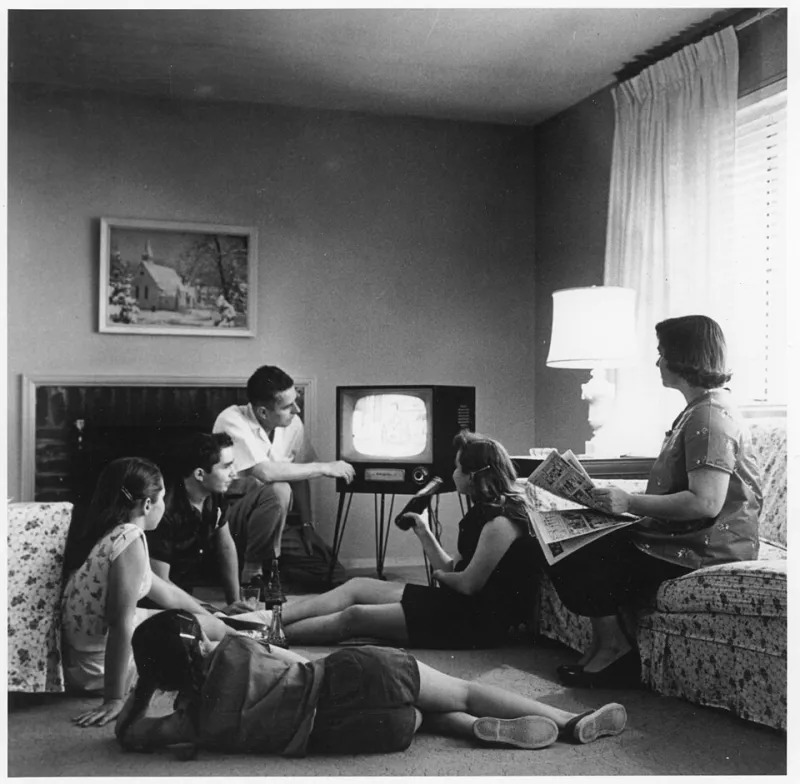
Photo: Evert F. Baumgardner, Public domain, via Wikimedia Commons
Twenty years ago, if you had a theory about where a TV show was headed, you shared it with a coworker or a message board that six people read. Today, you post it on TikTok, it racks up two million views overnight, and there's a decent chance a writer on that show has seen it — and maybe adjusted the script because of it.
Welcome to television's new feedback loop, where the line between the writers' room and the fandom has all but dissolved.
The Audience Got a Detective Badge
Modern TV fandom doesn't just watch; it forensically analyzes. Frame-by-frame trailer breakdowns. Freeze-frames of background props. Deep-dives into casting announcements that reveal plot points three months before air. Shows like Westworld and Severance were built as puzzles, and their audiences responded by turning theory-crafting into a full-time hobby for some, an actual career for others. Professional fan theorists now command sponsorships and press credentials.
Showrunners noticed. And they had a choice: fight the sleuths or play the game.
Planting Clues, Laying Traps
The savviest creators play it like chess. Some lean in, seeding legitimate clues for the theory community to find — a kind of reward system for the most engaged viewers. Others go on the offensive, deliberately planting false leads to protect twists. A carefully staged paparazzi shot, a misleading line in an interview, a scene filmed purely to give theorists a wrong answer. Misdirection used to happen on screen. Now it happens off screen too.
And then there's the more awkward phenomenon: shows that appear to have lifted ideas directly from popular fan theories. When a Reddit prediction becomes canon, it raises a genuinely uncomfortable question. Did the writers independently arrive at the obvious answer, or did they scroll the same threads you did? Either way, the audience that guessed the twist correctly ends up feeling a little less magic and a little more vindicated — which isn't quite the same thing.
The Upside of the Loop
To be fair, this isn't all cynical. The feedback loop has produced some genuinely great outcomes. Fan campaigns have saved shows from cancellation. Writers have become more responsive to what audiences actually connect with, sometimes course-correcting characters or pacing mid-season. The old gatekeeping model — take it or leave it, wait a week, we'll never explain the ending — is gone, and a lot of viewers don't miss it.
The Downside of Writing by Committee of Millions
But there's a real cost. Great television has always required some artistic stubbornness — the willingness to make choices the audience hates in service of a story that earns it. When every decision is filtered through the anticipated Reddit reaction, storytelling drifts toward the safest possible average. Twists get engineered for shock rather than meaning. Mysteries get more convoluted because a simple answer would be guessed in a week. And shows designed as puzzles can become all puzzle, no heart.
There's also the spoiler paradox: audiences demand to theorize, but theorize correctly and they've spoiled the show for themselves. The industry is now writing for people who are trying to beat it to the punch.
Where It Lands Next
The likely future is a split. Some creators will keep embracing the collective-detective audience, building shows that are genuinely better when watched communally and dissected online. Others will retreat — releasing full seasons at once to outrun the theory machine, or keeping story details locked down like state secrets.
Either way, the water cooler has moved into the group chat, and it never closes. The writers know it. The fans know it. The only question left is who's really steering the story.