Episode 400 of Nothing New: The Quiet Rise of the Rewatch Economy

Photo: Shixart1985, CC BY 2.0, via Wikimedia Commons
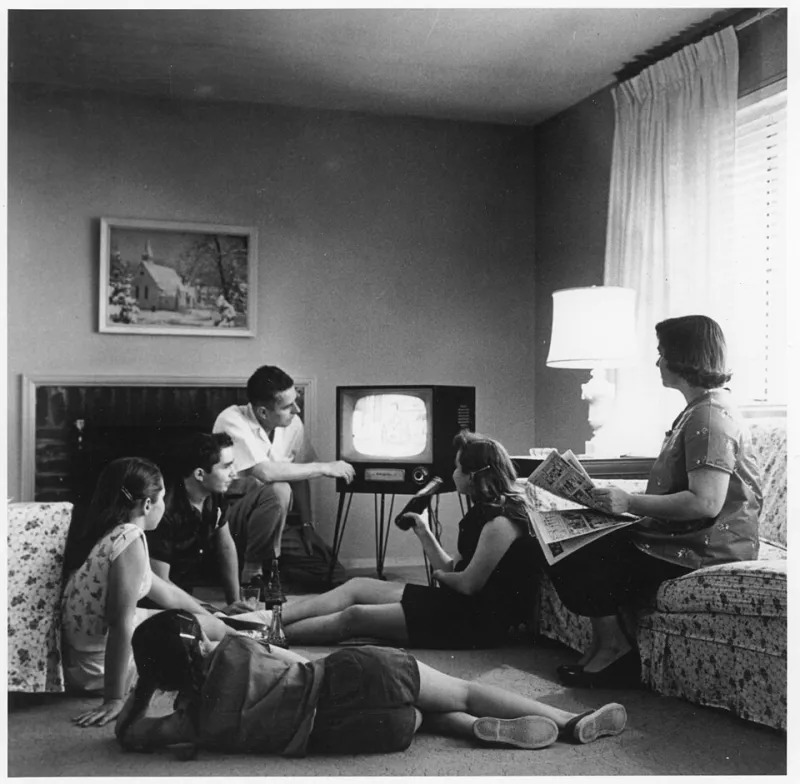
Ask around your office or your family group chat and you'll find them: people who have watched The Office straight through more times than they can count. People who fall asleep to Friends. People who put Gilmore Girls on the way they'd put on a fireplace video. They're not lazy and they're not out of options. They've just decided that the show they've already seen is better company than anything new.
And the entertainment industry has noticed — because that habit, it turns out, is worth billions.
Why We Press Play on the Familiar
The psychology here is surprisingly sound. Decision fatigue is real, and streaming handed us an unprecedented problem: infinite choice at the end of an exhausting day. Research on viewing habits has repeatedly found that a huge share of streaming time goes to content the viewer has already seen. A rewatch requires nothing from you. You know the jokes, you know the arcs, you know exactly which episode to skip. It's television as comfort food — predictable in the best way.
The pandemic supercharged the habit. Locked inside, millions of us retreated to fictional worlds with no surprises, and for a lot of people, the retreat never fully ended. Rewatching stopped being a fallback and became a lifestyle.
The Podcast Built on Reruns
Where there's an audience, there's a business. Enter the rewatch podcast, one of the most reliably thriving formats in audio. Hosts — often original cast members — go episode by episode through beloved series, and fans show up in droves. The Office alone supports multiple competing recap podcasts, including one hosted by the show's own former stars. Actors from Dawson's Creek, The Sopranos, and dozens of other series have found that their old job can become their new one.
It's a beautiful little economic loop: the studio licensed the show to a streamer, the streamer profits from your hundredth viewing, and the cast profits from talking about it. Nobody has to make anything new.
Streamers Learn to Love the Loop
The platforms have adapted too. Old sitcoms command eye-watering licensing fees precisely because they're rewatch engines — they keep subscribers logged in between new releases. Netflix paid a reported half-billion dollars for Seinfeld. Friends left Netflix for HBO Max in one of the most expensive content deals ever. The formula: a show that nobody needs to watch in order, that works at 30 minutes an episode, that people have already memorized, is worth more than its weight in prestige dramas.
Some platforms now lean into it outright, adding features like random-episode shuffles and 'jump back in' prompts designed to make rerunning frictionless.
The Discovery Problem
Here's the uncomfortable part. If everyone's rewatching, who's watching the new stuff? There's a real risk that the rewatch economy becomes a trap: audiences stick to what they know, platforms greenlight fewer risky originals, and the next Freaks and Friday Night Lights — the beloved, under-watched classic that would've been someone's comfort show in twenty years — never gets made in the first place.
The great shows of the past earned their rerun status because someone once took a chance on them. A culture that only rewatches eventually runs out of classics to recycle.
So sure, put on The Office tonight. Pam and Jim will be there, same as always. But maybe — just maybe — give episode one of something new a shot first. Your future comfort show has to come from somewhere.