The Quiet Release Is Getting Loud: Why Some of the Year's Best Movies Arrived Without a Drumroll
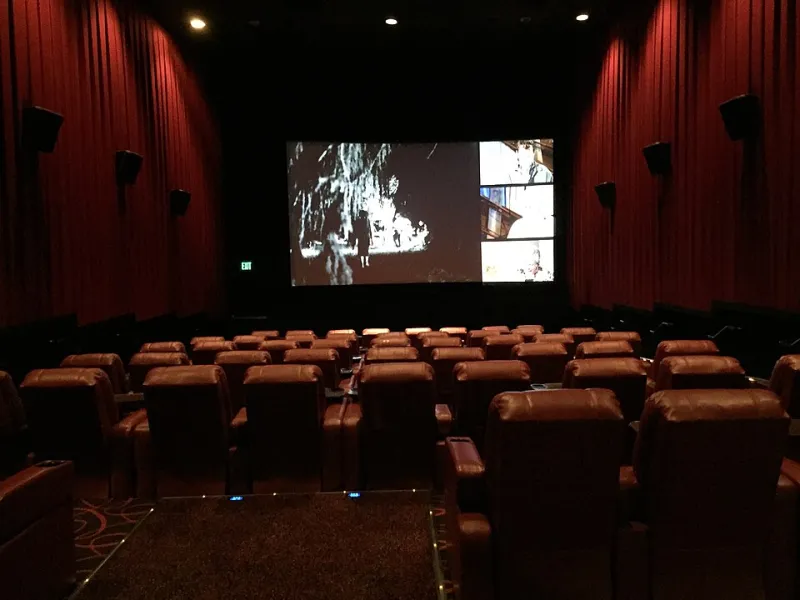
Photo: Famartin, CC BY-SA 4.0, via Wikimedia Commons
There is a particular kind of silence around a movie that is about to become a hit. No billboards on the highway. No trailer that explains the third act. No late-night couch tour. Just a cryptic poster, a short clip, and a release date that feels like a rumor. In 2026, that silence is not an accident. It is a strategy. And for a certain kind of film, it is working better than the loudest campaign in the room.
The Anti-Hype Is Still Hype
A quiet release is not the same as no marketing. It is controlled marketing. The studio is still spending money. It is just spending it differently. A teaser that shows almost nothing. A poster that raises a question. A premiere that lets the first reactions do the talking. The goal is to make the audience feel like they discovered the movie instead of being sold it. That feeling is powerful. It turns a ticket into a tip. It turns a review into a recommendation. It turns a movie into a conversation.
Why Audiences Are Tired of the Hard Sell
The hard sell has gotten exhausting. Trailers spoil the best jokes. Brand partnerships show up before the plot does. Every franchise has a soundtrack, a snack tie-in, and a 20-minute featurette explaining the lore. Audiences have learned to tune out. The quiet release offers relief. It says: trust the movie. But that trust has to be earned. If the film does not deliver, the silence becomes indifference. There is a thin line between mystery and invisibility.
The Platform Math
Streaming changed the math. A platform can drop a film with a single push notification and let the algorithm do the rest. That works when the film has a hook that travels: a star, a genre, a director, a twist. It does not work when the film is an original concept with no built-in awareness. The quiet release is a tool, not a rule. Theatrical releases still need awareness. A limited run can build word of mouth, but only if the word actually spreads. The hybrid model is where things get interesting. A small theatrical window, a fast streaming date, and a campaign that treats the audience like adults.
The Gamble
The quiet rollout is a bet on the movie. It is also a bet on the audience. Not every film can afford to be mysterious. A comedy needs laughs in the trailer. A family film needs a recognizable face. A horror film needs a scare. The quiet release works best for auteur projects, genre films with a strong hook, and titles that already have a fan base. It fails when the studio confuses restraint with neglect. The difference is whether the silence feels intentional. If it feels like nobody cared, the audience will not either.
The risk is real. A movie with no trailer and no stars is not mysterious. It is invisible. The quiet release only works when there is a signal in the silence: a name people trust, a genre people search for, a premise that can be explained in one sentence. Without that signal, the campaign is not a soft launch. It is a shrug.
Whisper, Then Shout
The best campaigns know when to whisper and when to shout. A quiet release can be a sign of confidence. It can also be a cover for a movie the studio does not know how to sell. The audience can tell the difference. In 2026, the soft-launch blockbuster is not a replacement for marketing. It is a different kind of marketing. It asks for attention instead of demanding it. When it works, it feels like a secret worth sharing. When it fails, it feels like a secret nobody needed to keep.