Your Favorite Show Is a Travel Brochure Now: The Unlikely Business of Set-Jetting
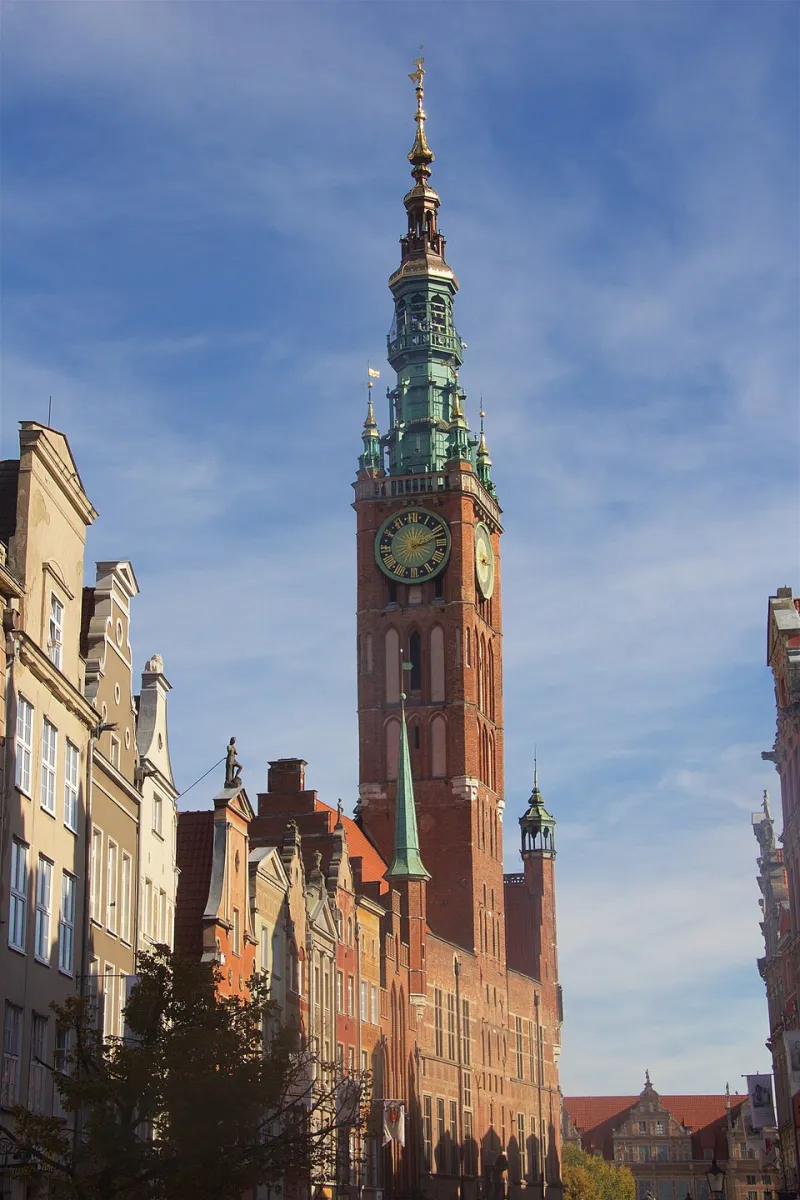
Photo: Photograph by Mike Peel (www.mikepeel.net)., CC BY-SA 4.0, via Wikimedia Commons
There is a diner in a small town that has become a pilgrimage site. The coffee is fine. The pie is fine. The line is not fine. People come because a streaming series used the booths as a backdrop for a tense family scene, and now the booth is the attraction. That is set-jetting in 2026. The location is not a background anymore. It is the star, the souvenir, and the local economy.
From Background to Billboard
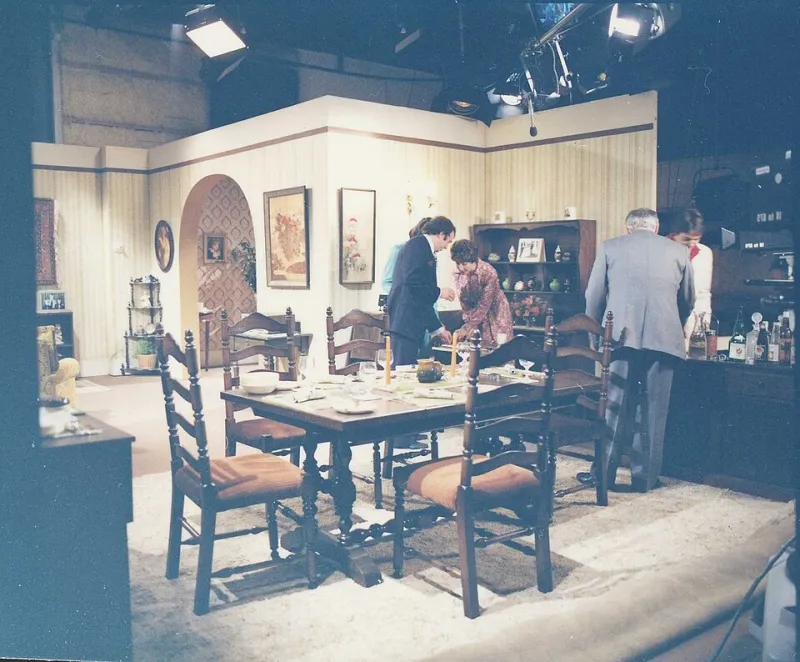
Location scouts used to be the quiet problem-solvers of production. They found a house that could pass for a different house and a street that could pass for a different decade. Now they are tastemakers. A scout's shortlist can put a town on the map before the show even premieres. Tourism boards know this. They pitch themselves with photo books, tax incentives, and promises of easy permits. The smart ones build relationships with production companies years before a script is greenlit. A single frame of a main street can become a billboard for a region.
What Happens When a Quiet Town Goes Viral
The upside is obvious. Hotels fill up. Cafes sell out of the menu item that appeared on screen. A hardware store starts selling T-shirts. Seasonal jobs appear. The downside is also obvious. Roads clog. Rentals get converted. Locals who never asked to be extras in a tourism campaign find themselves directing traffic. The towns that handle it best do not wait for the wave. They set up shuttle routes, publish etiquette guides, and spread the attention across several blocks instead of one Instagrammable corner. The towns that struggle are the ones that treat a viral moment as a permanent identity before they have the infrastructure to support it.
The Studio Math
Studios are paying attention. A production's travel footprint is no longer an afterthought. It is part of the deal. Incentives, local partnerships, and location agreements can make a show cheaper to shoot and easier to market. A region gets exposure. A studio gets a backdrop and a promotional partner. But there are limits. A fictional town is not a real town. Fans sometimes confuse the two. Residents sometimes resent the confusion. The best arrangements are clear about what is being sold: a glimpse of a place, not a promise that the place is the show.
The Itinerary Is the Afterparty
The fan experience has become its own genre. There are guided tours, themed menus, and maps that mark every notable frame. Some of it is charming. Some of it feels like a corporate activation with a souvenir cup. The difference is usually authenticity. A local cafe that leans into a scene because the owners are fans feels different from a pop-up that appears for six weeks and disappears. Set-jetting works when it feels like discovery. It fails when it feels like a queue.
The Location Is the Star
This is not entirely new. Sound of Music tours have been running for decades. Lord of the Rings turned New Zealand into a destination. But streaming changed the speed. A show can go global in a weekend and send fans to a town that has one traffic light and no plan. In 2026, the smartest towns are writing themselves into the sequel. They are not just waiting for cameras. They are building the infrastructure for the fans who come after. The location is the star now. The towns that understand that are the ones who get to keep the lights on.