The Sponsor Is in the Writers’ Room: Brand-Funded TV Is Getting Hard to Spot
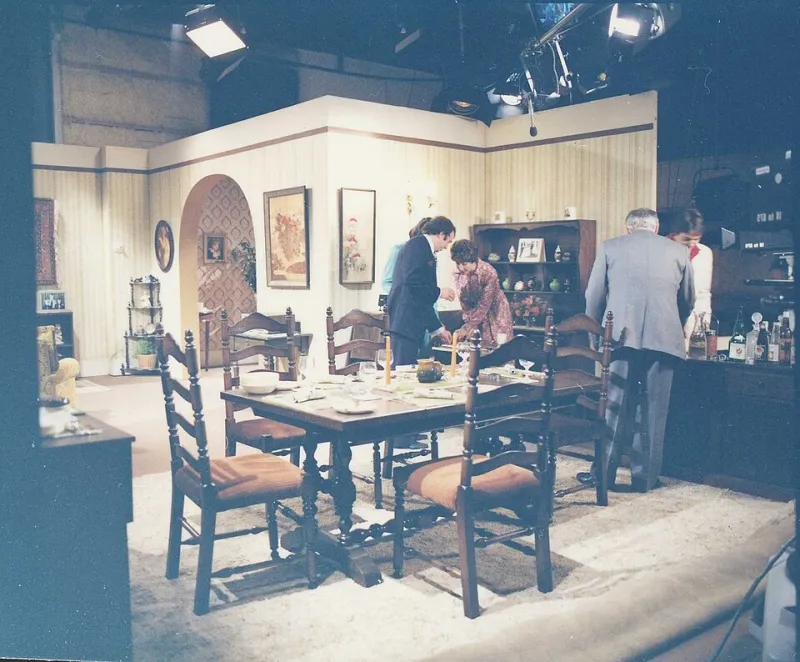
Photo: Archives New Zealand, CC BY 2.0, via Wikimedia Commons
There was a time when spotting a brand in a TV show was a fun little game. The characters drank a certain soda. The camera lingered on a laptop logo. A car chase conveniently featured a sedan with the badge facing the camera. Fine. We noticed, we shrugged, we moved on.
In 2026, the game is harder. The brand is not just in the scene anymore. It is in the budget. It is in the pitch deck. It might be in the room when story arcs get discussed. A growing number of streaming series, holiday specials, competition shows, and short-form entertainment projects are being built with advertiser money from the ground up. Sometimes that means subtle integration. Sometimes it means the sponsor is effectively the studio.
This is not a scandal. It is a business model. But it is worth asking what happens when the people paying for the show start acting like they own the story.
The New Math of Making TV
Streaming is expensive. Subscriptions alone do not always cover the cost of ambitious scripted series, especially when budgets balloon and marketing becomes a global operation. Ad-supported tiers have changed the math, and brands are hungry for content that does not feel like a traditional commercial. They want association, not interruption. They want their product inside the emotional world of a show, not just in the 30-second slot before it.
So the two sides have found each other. Producers get money upfront. Brands get a story. Streamers get content that might cost them less or come with a built-in marketing partner. On paper, it is a neat arrangement. In practice, it can get weird.
From Product Placement to Production Partner
There is a spectrum here, and it matters. On one end, you have classic product placement: a character uses a phone, drinks a beverage, or drives a car. On the other end, you have full-blown advertiser-produced entertainment: a series or special that exists because a brand wanted content and paid for it. In the middle, you have co-financed projects where a brand has approval rights, story input, or a guaranteed integration beat.
The middle is where things get slippery. A brand does not have to write dialogue to influence a show. It just has to ask whether a certain plotline is “on-brand.” It can push for a cleaner family dynamic, a more aspirational kitchen, or a character who happens to love a specific product category. None of those notes sound sinister on their own. Stack enough of them, and the show starts to feel like a very long commercial with a laugh track.
When the Brand Becomes the Boss
The uncomfortable question is not whether brands should be allowed to fund entertainment. They already do. The question is how much creative control comes with the check. If a sponsor can veto a plot point, soften a character flaw, or demand a product moment in the climax, then the sponsor is not a partner. The sponsor is a showrunner with a marketing degree.
That does not always ruin the result. Some brand-funded projects are genuinely fun, especially in unscripted and holiday programming where the commercial DNA is part of the charm. A cooking competition funded by a grocery chain? Sure. A home-makeover special built around a retailer? We know what we are watching. The problem is when scripted entertainment pretends the arrangement is invisible while the story bends around it.
How Audiences Are Reacting
US viewers are not naive. They grew up with commercials, sponsored segments, and celebrity endorsements. But they are also more sensitive to fakery than ever. Social media has trained people to spot a paid partnership from a mile away. When a show feels like an ad, audiences talk about it. They post clips. They make jokes. They may still watch, but they watch with a raised eyebrow.
The response is not always rejection. If the show is good, people will tolerate a lot. A great cast, a sharp script, and a genuinely entertaining premise can carry a surprising amount of brand baggage. But the tolerance has limits. The moment the story stops serving the audience and starts serving the sponsor, the vibe shifts. You can feel it. It is like watching a friend suddenly start speaking in slogans.
Where the Line Actually Is
There is no single line, but there are some useful questions. Is the brand integration disclosed clearly? Does the story work if you remove the product? Are characters making choices because of the plot or because of a marketing brief? Would the show exist without the sponsor, and if not, does it admit that?
Those questions do not have to kill the fun. They just keep the relationship honest. Brand-funded TV can be a legitimate creative format. It can pay for risky ideas, employ crews, and give audiences something they would not otherwise get. But it cannot pretend to be pure art while quietly functioning as a commercial. In 2026, the smartest producers are the ones who know the difference — and the smartest audiences are the ones who can tell.