Recliners, Cocktails, and a Side of Fries: Why the Dine-In Theater Is Eating the Multiplex's Lunch
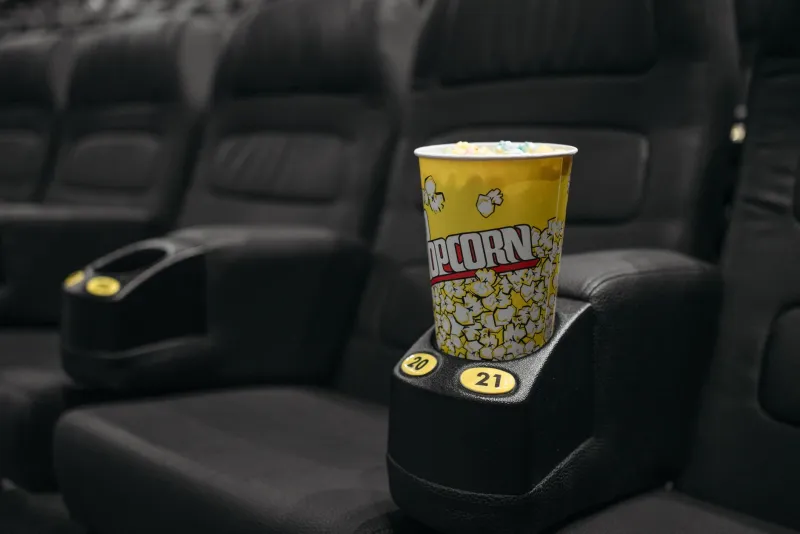
Remember when a movie date meant racing to catch the 7:15, paying way too much for a ticket, then watching half the film while wondering if the person two rows down could hear you chewing? Yeah, that era is quietly dying — and something way more comfortable is taking its place.
Dine-in theaters — think Studio Movie Grill, Alamo Drafthouse, AMC Dine-In, CMX, and a wave of regional players — have exploded across the US over the last few years. And they're not just adding a snack bar. They're rebuilding the entire movie night around one idea: you came out tonight, so let's make the whole evening worth leaving the house for.
The Format: Dinner and a Movie, Minus the Logistics
The pitch is simple. You arrive early, sit down at your table or in your oversized recliner, order off a real menu — burgers, tacos, flatbreads, actual cocktails — and a server quietly takes your order and delivers food during the movie. No 20-minute scramble for parking near a separate restaurant. No arguing about where to eat after. It's all one ticket, one location, one night.
Alamo Drafthouse pioneered the strict no-talking, no-texting version of this (their pre-show programming and aggressive ejection policy are practically folklore at this point), while chains like Studio Movie Grill and CMX lean harder into the full-service restaurant feel. Either way, the formula is the same: comfort plus convenience plus a little luxury.
Running the Numbers: Is It Actually More Expensive?
Here's where it gets interesting. On paper, dine-in looks pricier. In practice? It might be a wash — or even a bargain.
The classic multiplex night out (two people):
- Two evening tickets: ~$30
- Popcorn, candy, two large sodas: ~$25
- Dinner at a nearby restaurant afterward: ~$50–$70 plus tip
- Total: roughly $105–$125, plus three stops and a lot of time management
The dine-in equivalent (two people):
- Two tickets (often $14–$20 each at premium chains): ~$30–$40
- Shared appetizer, two entrees, two cocktails: ~$55–$70 (with service included in the experience)
- Total: roughly $85–$110, one location, zero rushing
Once you factor in that the meal replaces a separate restaurant stop, the dine-in model isn't a splurge — it's a consolidation. And with subscription programs like AMC's A-List or Alamo's season pass options folding premium tickets into monthly fees, frequent moviegoers can knock the per-visit cost down even further.
Why Younger Audiences Are Driving the Shift
Talk to anyone under 35 about why they'll pick a dine-in theater over a traditional multiplex, and the same themes come up: it's about maximizing the night, not just watching a movie.
The logic goes something like this: streaming already won the convenience war for casual viewing. Nobody's leaving the house to watch something they could see on their couch in six weeks. So when people do go out, they want the trip to feel like an event — something the couch can't replicate. A recliner, a margarita, hot food, and a blockbuster on a giant screen checks every box in one stop.
There's also the social factor. Gen Z and younger millennials treat moviegoing less as a film-consumption habit and more as an occasion — date night, birthday outing, group hang. Dine-in formats are built for exactly that. The movie becomes the centerpiece of an evening rather than the whole evening itself.
The Broader Trend: Experience Over Transaction
This isn't happening in a vacuum. It's part of the same shift that gave us fancy popcorn buckets, live event screenings, and concert-film exclusives — theaters competing on experience because they can't compete on access anymore. When the content eventually hits streaming, the night out is the product. Dine-in theaters just package it better than anyone else.
The traditional multiplex isn't dead, of course. There will always be a place for the quick, cheap, no-frills Tuesday showing. But the direction of the industry is clear: theaters that treat moviegoing as a full hospitality experience are growing, and the ones still selling a $15 ticket and a $9 Coke are fighting over a shrinking crowd.
The Takeaway
The $15 ticket wasn't killed by price — it was killed by expectations. Audiences now expect that if they're leaving the house, the whole night should work together: food, drinks, comfort, and the film, in one seamless package. Dine-in theaters figured that out first, and they're redefining what date night looks like one recliner at a time.
So the next time someone suggests dinner and a movie, you can do both — at the same table, in the same seat, without checking your watch once.