Crying on Cue: The Glossy, Carefully Engineered World of Celebrity 'Raw' Moments
There's a specific kind of celebrity moment that stops your scroll cold. Maybe it's a red-eyed confessional posted at 11 p.m. on a Tuesday. Maybe it's a sit-down interview where a famous face finally — finally — opens up about the hard stuff. You feel something. You share it. You defend them in the comments. And then, two days later, a nagging thought creeps in: Was that... real?
Welcome to the authenticity paradox — the strange, increasingly unavoidable reality that the most emotionally naked moments in celebrity culture are often the most meticulously produced ones.
The Setup Behind the Breakdown
Let's start with the obvious tell that nobody wants to talk about: the lighting.
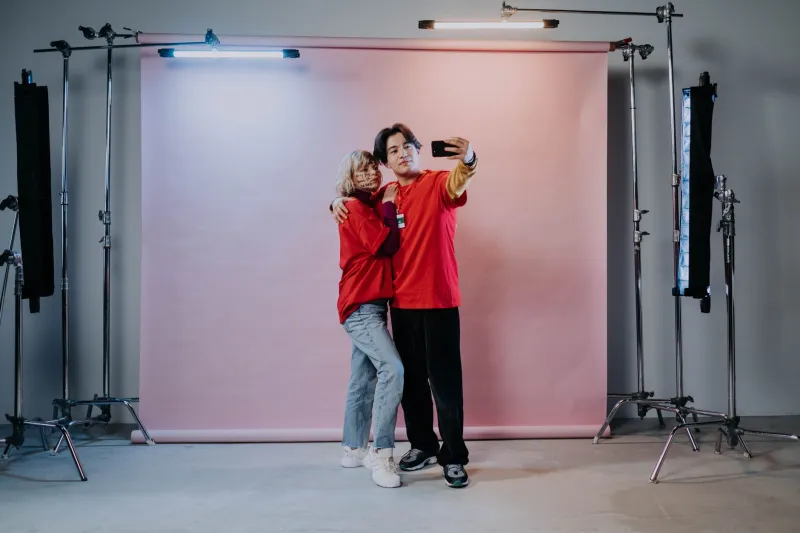
Genuine emotional moments — the kind that happen to regular people — are messy, unflattering, and usually occur under fluorescent office lights or in a car in a parking lot. Celebrity vulnerability, on the other hand, tends to arrive in warm, diffused golden tones that make tear-streaked cheeks look somehow cinematic. That's not an accident.
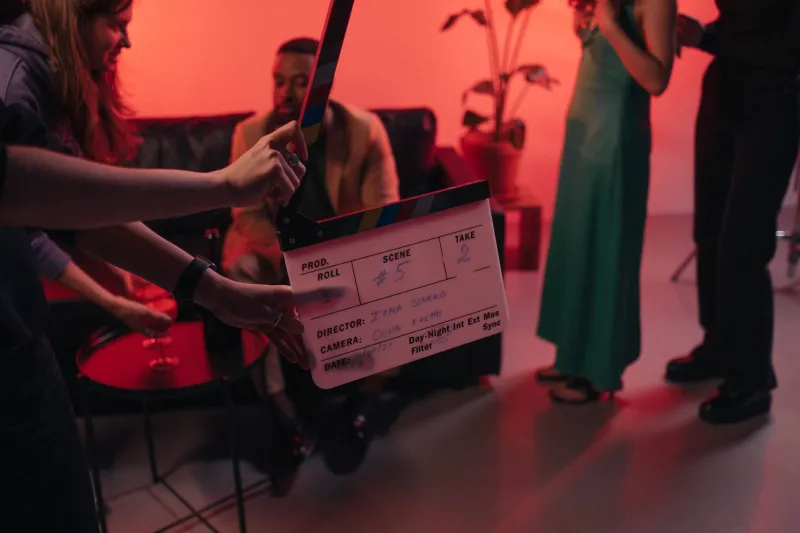
"There's an entire pre-production conversation that happens before any of these 'candid' moments go public," says one entertainment publicist who asked to remain anonymous. "Camera angles, color grading, even the choice of platform — Instagram Stories versus a sit-down with a major outlet — all of it is a deliberate decision that shapes how the audience receives the emotion."
This isn't cynicism for its own sake. It's just how the machine works. And the machine, it turns out, is very, very good at its job.
The Confessional Industrial Complex
In the past decade, celebrity vulnerability has become its own genre — complete with recognizable tropes, predictable narrative arcs, and a reliable release schedule. Struggling with mental health? There's a format for that. Addressing a public falling-out? There's a format for that too. Quietly acknowledging a relationship ended before the tabloids could make it ugly? Absolutely, there's a format.
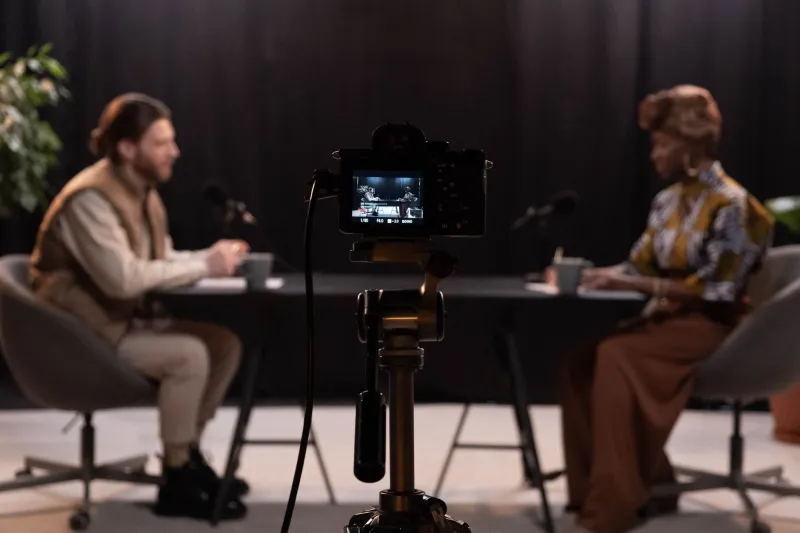
The confessional interview — think a carefully chosen journalist, a neutral-toned setting, and a publicist just off-camera — has become Hollywood's preferred vehicle for image recalibration. These aren't spontaneous. They're pitched, negotiated, and scheduled like any other business meeting. Questions are often submitted in advance. Certain topics are off-limits. The resulting "honesty" exists within a very precisely drawn box.
That's not to say the emotion itself is fake. Most people who work in celebrity PR will tell you that the feelings are usually real — it's the framing that's engineered. "You're not manufacturing sadness," explains one talent manager with clients across film and music. "You're manufacturing the conditions under which sadness becomes a brand asset."
Read that sentence again. It's a lot.
Why We Buy It Anyway
Here's the uncomfortable part: even when we know it's produced, it still works on us. Psychologists call this the "parasocial paradox" — our brains process emotional content from celebrities similarly to how we process emotion from people we actually know. The familiarity we've built up through years of following someone's career, their social media, their public persona, creates a shortcut to genuine empathy.
So when Taylor Swift tears up, or when a reality TV star posts a no-makeup photo with a lengthy caption about their struggles, our nervous systems don't stop to audit the production value. We just feel it. And the people crafting these moments know that better than anyone.
There's also a cultural hunger at play. In a media landscape saturated with polish and perfection, anything that looks even slightly unfiltered registers as a relief. Audiences are exhausted by the highlight reel. So when a celebrity appears to crack the facade — even slightly — it lands with disproportionate emotional weight. The bar for "real" has been lowered so dramatically by years of aspirational content that a single candid-looking photo can feel like a full confession.
The Spectrum of Sincerity
It's worth noting that not every emotional celebrity moment is a cynical PR play. The spectrum here is genuinely wide.
On one end, you have the fully orchestrated image reset — the kind that gets rolled out after a scandal, timed to a project release, with a media tour attached. On the other end, you have moments that slip through the cracks of even the tightest management: the interview answer that goes further than intended, the live performance breakdown that nobody scripted, the offhand comment that reveals more than the team wanted.
Most celebrity vulnerability exists somewhere in the messy middle. Real emotion, real experience — but shaped and packaged by a team of professionals whose entire job is to make sure it lands correctly. Think of it less like acting and more like editing. The feelings aren't invented. They're just... curated.
What It Means for the Rest of Us
The rise of engineered vulnerability has a downstream effect that doesn't get talked about enough: it's quietly resetting our expectations for what emotional honesty looks like.
When the blueprint for "being real" is set by celebrities with full production teams, the rest of us start unconsciously measuring our own authenticity against an impossible standard. Regular people start staging their own vulnerable moments — the aesthetically composed crying selfie, the perfectly worded caption about anxiety — because that's what vulnerability is supposed to look like now. The performance seeps out of celebrity culture and into everyday life.
There's something worth sitting with in that.
So Does It Matter If It's Real?
Honestly? That depends on what you're looking for.
If you're watching a celebrity open up about something genuinely difficult — addiction, loss, mental health struggles — and it makes you feel less alone in your own experience, that connection is real, regardless of who approved the lighting setup. Emotional resonance doesn't require authenticity paperwork.
But if you're making decisions about who to trust, who to admire, or who to defend in the comments section based on the assumption that you're seeing someone unguarded and unfiltered? It's probably worth remembering that there are a lot of people between that "raw" moment and your screen — and most of them are very good at their jobs.
The glossy tear is real. The soft light is intentional. Both things are true at the same time. That's the authenticity paradox, and we're all living in it.