Perfectly Imperfect: The Hidden Machine Behind Every 'Spontaneous' Celebrity Moment
The Illusion Is the Product
There's a moment you've probably had recently. You're scrolling, half-asleep, and a celebrity pops up looking makeup-free, maybe a little tired, laughing at something off-camera. No fancy lighting. No obvious stylist. Just them, being a person. And something in your brain goes, finally — the real version.
Here's the thing, though: that moment was almost certainly planned.
Not in a cynical, evil-genius kind of way — but in the very deliberate, very modern sense that every touchpoint a major celebrity has with the public goes through some version of a filter. A manager. A publicist. A social media strategist. Sometimes all three on a group text, debating whether the "candid" kitchen video should go up on Tuesday or Thursday for better engagement.
Welcome to the authenticity paradox — where looking real has become the most carefully constructed performance in the business.
Why 'Real' Became the Most Valuable Currency in Fame
This didn't happen overnight. For decades, celebrity culture was built on distance. Stars were polished, untouchable, and deliberately mysterious. The whole appeal was that they existed in a different world than you did.
Then social media blew the walls down, and suddenly audiences didn't just want to admire celebrities — they wanted to know them. The parasocial relationship went from a quiet background hum to the loudest frequency in entertainment. Fans started expecting access. Behind-the-scenes content. The "real" story.
Celebrities (and, more accurately, their teams) noticed fast. If audiences were rewarding vulnerability and punishing polish, then vulnerability became the new polish. The production values just shifted — instead of perfecting the glamour shot, you perfect the imperfect moment.
And the psychology behind why we fall for it? That's actually pretty understandable. Humans are wired to connect with authenticity. When someone seems unguarded, our brains interpret it as trust. We lower our defenses. We feel closer. It's the same reason a friend who texts you a typo-filled message at midnight feels more intimate than one who sends grammatically perfect notes at 9 a.m. The messiness signals realness.
Celebrities — or rather, the teams around them — have gotten extraordinarily good at manufacturing that messiness on demand.
The Anatomy of a 'Candid' Moment
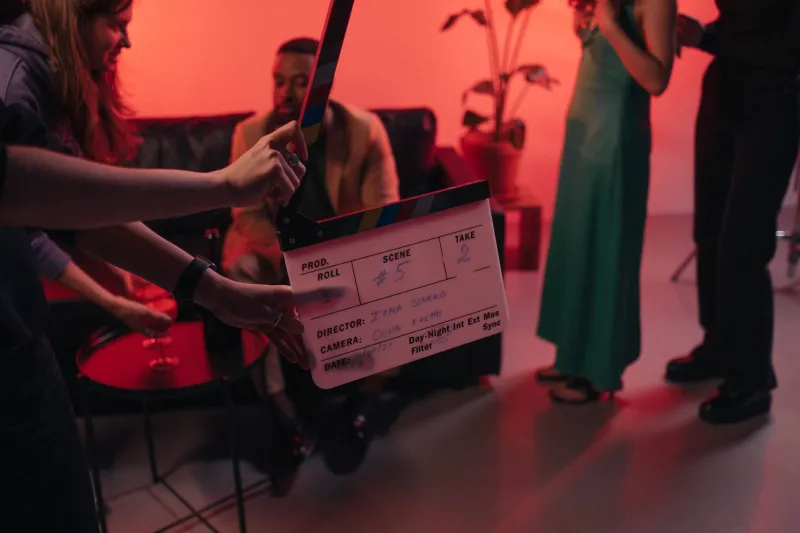
Let's break down what a calculated authentic moment actually looks like in the wild.
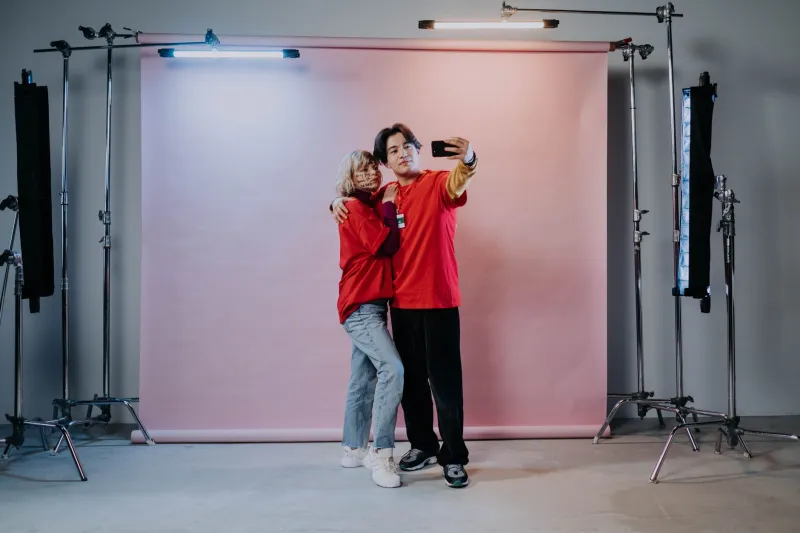
Take the "no makeup" selfie. On the surface: refreshingly honest, a celebrity showing their skin without the usual armor. In practice: often shot with flattering natural light, from a known good angle, on a day when the celebrity's skin is genuinely looking great, and posted at a time calculated for maximum reach. The caption is casual, maybe a little self-deprecating. The comments fill up with "YOU'RE SO BEAUTIFUL" and suddenly the celebrity has reinforced their relatability brand without sacrificing any actual vulnerability.
Or consider the live stream "meltdown" — a celebrity getting emotional or candid about something personal during a live video. These moments go viral almost every time. But look closely at the pattern: they tend to happen when a celebrity needs a narrative reset. An album dropping. A controversy cooling down. A movie needing press. The emotional openness is real enough to feel genuine, but the timing is rarely accidental.
Behind-the-scenes content is another favorite tool. The tour bus footage. The pre-show jitters. The "real" dressing room. All of it framed as unfiltered access — and all of it shot, reviewed, and approved before it ever reaches an audience.
The Stars Who've Made It Look Effortless
A few names consistently come up when industry insiders talk about mastering this balance.
Taylor Swift has built an entire mythology around the idea of letting fans in — Easter eggs, personal Tumblr-era moments, surprise appearances. But her operation is famously tight. Every "surprise" is choreographed with the precision of a stadium show. The intimacy feels real because it's designed to feel real, and that design is genuinely impressive.
Dwayne Johnson's social media presence is a masterclass in approachable mega-fame. The 4 a.m. gym posts, the cheat meal videos, the dad moments — all of it paints a picture of a guy who just happens to be one of the most famous people on Earth but is fundamentally just a dude. The consistency of that image across years and platforms doesn't happen by accident. It's a brand, built with intention.
On the younger end of the spectrum, Sabrina Carpenter has navigated a tricky transition from Disney kid to pop star partly by leaning into a dry, self-aware humor that reads as unscripted. Whether it is or not almost doesn't matter — the effect is that audiences feel like they're in on the joke with her, which is its own form of engineered closeness.
Does It Matter That It's Manufactured?
Here's where it gets genuinely complicated.
If a celebrity shares something emotionally true — a real struggle, a real opinion, a real laugh — does it matter that the timing was strategic? Is the performance of authenticity automatically inauthentic, or can something be both calculated and genuine?
A lot of media critics would argue the whole thing is a con, and audiences are marks who don't realize they're being played. But that framing might be too simple. Most people, if they stop and think about it, understand that celebrities have teams and strategies. The willing suspension of disbelief is part of the deal. We know the kitchen video was probably reviewed before posting. We watch it anyway because the warmth we feel watching it is still real, even if the spontaneity isn't.
What does matter is when the manufactured authenticity crosses into genuine manipulation — when a celebrity uses the appearance of vulnerability to deflect real accountability, or when the "real" version of themselves being sold to fans is so far from the actual person that it becomes a kind of fraud.
The line between smart image management and cynical audience manipulation is blurry, and it moves depending on who's drawing it.
The Audience Isn't Completely Fooled
For all the sophistication of the machinery, audiences are getting sharper. Fan communities now routinely dissect celebrity content for signs of staging. The "PR relationship" discourse is everywhere. When something feels too perfectly timed, people notice and say so loudly.
In a weird way, that skepticism has just pushed the craft further. The goal now isn't just to seem authentic — it's to seem authentic in a way that holds up to scrutiny. Which means the production values on "unproduced" content keep quietly climbing.
It's a feedback loop with no obvious exit: audiences want real, celebrities manufacture real, audiences get savvier, celebrities manufacture more convincingly real. Somewhere in that cycle, actual human beings are trying to maintain some version of a private self while also feeding a machine that runs on the appearance of having no private self at all.
And every few weeks, one of them posts a slightly blurry, perfectly lit, strategically timed photo of themselves just living their life — and we double-tap without thinking twice.