Stan Economy: The Wild Business of Turning Fan Love Into Cold, Hard Cash
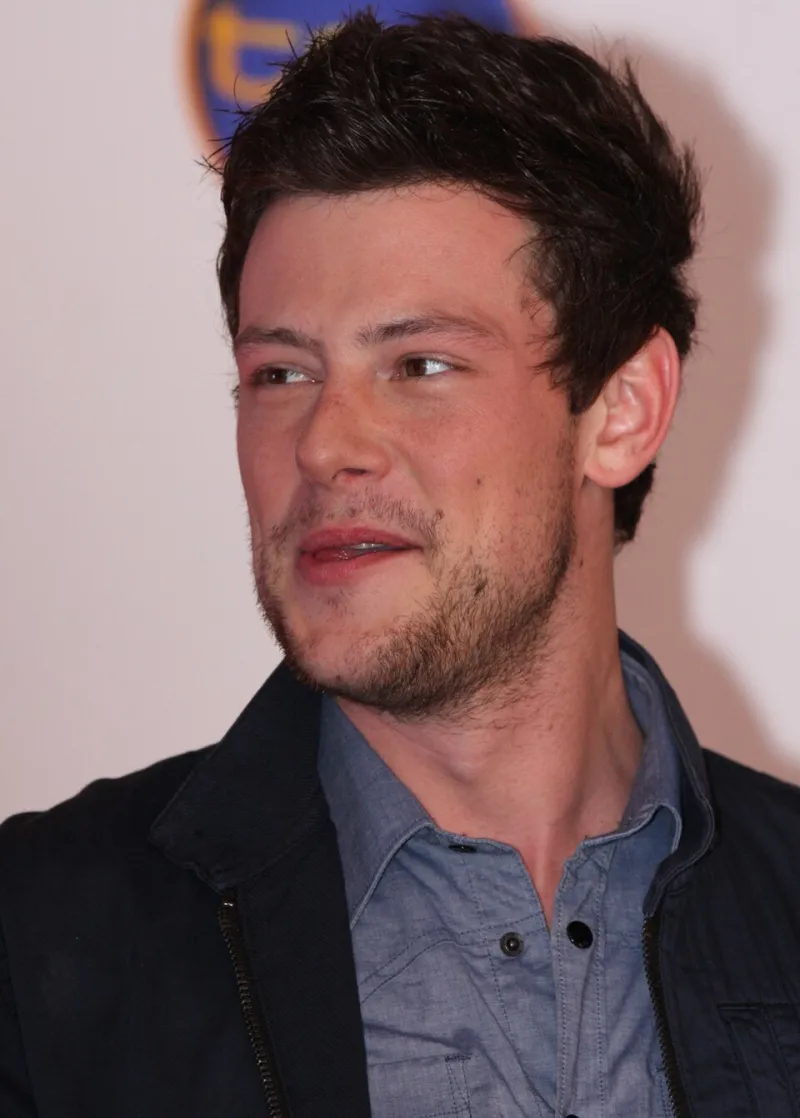
Photo: Eva Rinaldi, CC BY-SA 2.0, via Wikimedia Commons
Let's be honest: you've probably bought something you didn't really need because your favorite celebrity put their name on it. Maybe it was a $45 candle that smelled vaguely of disappointment, a wellness app you opened twice, or a hot sauce that sat in your pantry for eight months before you quietly threw it away. No judgment. It happens to the best of us.
What's fascinating — and a little unsettling — is that this isn't just casual consumer behavior anymore. It's become an entire economic ecosystem. Call it the Stan Economy: a multi-billion-dollar machine powered less by product quality and more by the emotional attachment fans have built with the people selling to them.
The New Celebrity Business Model
For most of Hollywood's history, celebrity endorsements followed a pretty straightforward script. Brand pays star, star appears in ad, consumers maybe buy the thing. The star's actual relationship with the product was largely irrelevant. Nobody thought George Clooney personally obsessed over Nespresso capsules.
But social media changed the math completely. Platforms like Instagram, TikTok, and YouTube created the illusion of intimacy — fans watching someone's morning routine, their family dinners, their unfiltered rants about bad days. That closeness, even when entirely manufactured, generates something marketers call parasocial trust. It's the feeling that you know this person, even though they have absolutely no idea you exist.
And parasocial trust, it turns out, converts remarkably well.
Celebrities figured this out fast. Why license your name to someone else's product when you can launch your own and keep the margins? The 2010s saw the rise of the celebrity founder: Rihanna's Fenty Beauty, Ryan Reynolds' Aviation Gin, Jessica Alba's Honest Company. Some of these ventures were genuinely impressive businesses built on real foundations. Others were essentially vibes with a Shopify account.
When It Works — And Why
Fenty Beauty is probably the gold standard example of a celebrity brand that succeeded on actual merit. Rihanna identified a real gap in the cosmetics market — a lack of shade diversity — and built a product line that solved a problem. Fans were excited, sure, but so were millions of consumers who'd never bought a Rihanna album in their lives. The business had legs beyond the fanbase.
Similarly, Selena Gomez's Rare Beauty has carved out genuine credibility in the beauty space, partly through consistent messaging around mental health that aligns with her public persona. It doesn't feel exploitative because it feels coherent. There's a through-line between who she presents herself as and what she's selling.
The ventures that tend to work share a few things in common: they solve an actual problem, the celebrity's involvement goes beyond slapping their face on packaging, and they hold up to scrutiny from people who aren't already invested in the star's success.
When It Goes Sideways
For every Fenty, there are a dozen projects that exist almost entirely because a celebrity's fanbase will buy basically anything with the right name attached.
Remember the wave of celebrity apps that peaked around 2015-2016? Fans paid real money to access "exclusive content" that often amounted to recycled social media posts behind a paywall. The value proposition was basically: pay us to feel closer to someone who will never know you exist. Most of those apps have quietly vanished.
More recently, the celebrity alcohol brand boom has raised some eyebrows. There are now so many celebrity-backed tequilas, wines, and vodkas that the market is genuinely saturated. Some are decent products. Many are not. But they sell — at least initially — because fans will try anything their favorite artist touches. The question of whether any of these people actually drink their own product regularly, let alone developed it with any real passion, often goes unasked.
And then there are the outright disasters. The Fyre Festival wasn't just a failed event — it was a masterclass in how parasocial influence can be weaponized to bypass basic consumer skepticism. People paid thousands of dollars for a luxury experience that existed only in influencer content. The product was entirely the vibe. When the vibe evaporated, there was nothing underneath it.
The Psychology Keeping Fans Hooked
So why do smart people keep buying into ventures that don't always deliver? The psychology here is genuinely interesting.
Psychologists who study parasocial relationships note that when we feel connected to someone, we extend them the same benefit of the doubt we'd give a trusted friend. If your best friend launched a skincare line, you'd probably buy it without reading a single review. The same mechanism applies to celebrities — except the "friendship" is entirely one-sided.
There's also what researchers sometimes call identity-based consumption. Buying a celebrity's product isn't just a transaction; it's a way of signaling affiliation. Wearing a certain artist's merch or using their app is a statement about who you are and what community you belong to. That's a powerful motivator that has very little to do with whether the product is actually good.
Fan communities amplify this further. On stan Twitter or dedicated subreddits, buying a celebrity's product becomes an act of loyalty. Not buying it — or worse, criticizing it — can make you a target. The social pressure within these communities is real, and brands absolutely know how to leverage it.
Where the Line Gets Drawn
None of this is inherently evil. Celebrities are allowed to start businesses, and fans are allowed to support them. The exchange becomes ethically murky when the transaction is built almost entirely on emotional manipulation rather than product value.
Some red flags worth watching for: limited transparency about what the celebrity actually does within the company, aggressive fan community pressure to purchase, pricing that seems calibrated to how much fans will tolerate rather than what the product is worth, and a noticeable silence from the celebrity when quality complaints emerge.
The most honest version of the celebrity business is one where the founder would be okay with you buying a competitor's product if it served you better. The most exploitative version is one where purchasing is framed as a test of your loyalty.
The Fan Reckoning
Here's the thing though: audiences are getting savvier. Gen Z in particular has shown a real appetite for calling out inauthenticity, and celebrity brands are facing more scrutiny than ever. Review bombing, viral TikTok teardowns, and organized fan skepticism have all become tools that keep even the most beloved stars accountable.
The parasocial paycheck isn't going anywhere — the economics are too good for celebrities to walk away from. But the era of launching anything with a famous face and watching it sell is quietly fading. Fans still want to support the people they love. They just want something real in return.
That seems like a pretty fair deal.