Fake Real: How the Celebrity 'No Filter' Moment Became the Most Produced Content Online
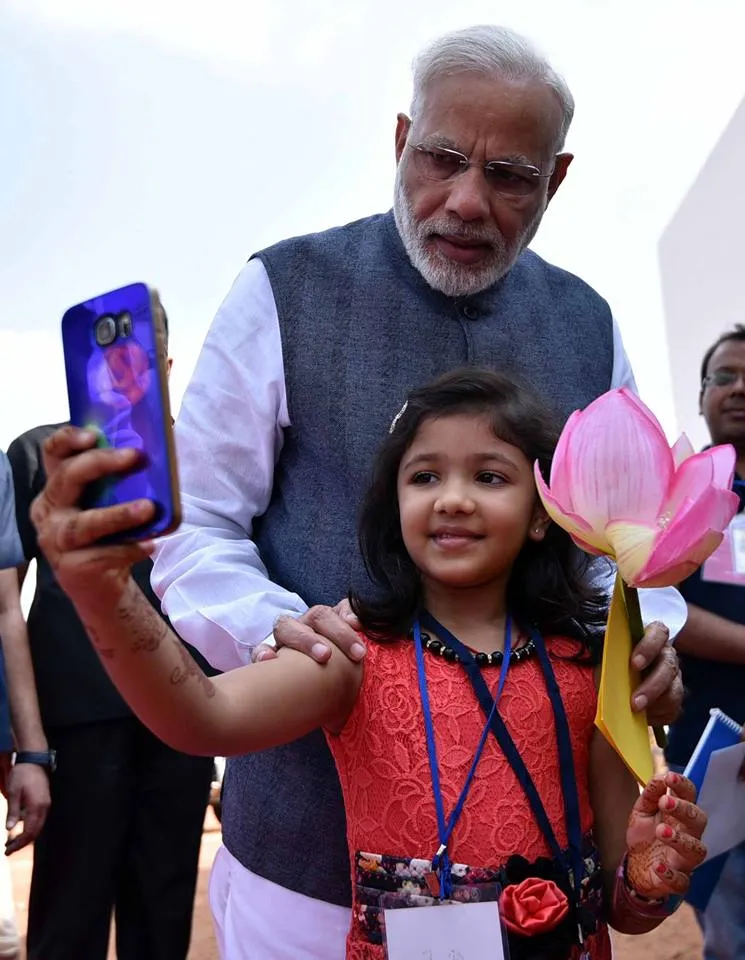
Photo: Narendra Modi, CC BY-SA 2.0, via Wikimedia Commons
There's a particular kind of Instagram post you've definitely seen. No makeup, soft lighting that somehow still flatters perfectly, a caption that reads something like "just me, my coffee, and my thoughts." It feels intimate. It feels honest. And nine times out of ten, it was approved by a publicist before it ever hit your feed.
Welcome to the authenticity economy — where being "real" is the most carefully managed performance in Hollywood.
The Candid That Took Three Hours to Shoot
Let's be honest with ourselves for a second. When a major celebrity posts a blurry, slightly unflattering photo of themselves laughing at a backyard barbecue, our first instinct is to feel closer to them. That's by design. Social media strategists — yes, that's a job title that exists specifically for A-listers — have spent years studying exactly what kinds of imperfection read as charming versus damaging.
The result is a finely tuned science. Flyaway hairs? Cute and relatable. A bad skin day? Brave and humanizing. An actual unflattering angle that the star genuinely didn't approve? That doesn't make the cut. The bloopers we see are the chosen bloopers.
Timing matters just as much as content. Posts that go up during a press cycle for a new project aren't accidents — they're engineered. A "random" gym selfie the week before a movie drops isn't random. A teary voice memo about personal struggles tends to surface right around awards season. The calendar behind the curtain is packed.
Why We Crave It Anyway
Here's the psychological twist that makes this whole thing fascinating rather than just cynical: even when audiences know something is staged, the craving for connection doesn't disappear. Researchers who study parasocial relationships — the one-sided emotional bonds people form with public figures — have found that perceived authenticity matters more than actual authenticity. If it feels real, the brain responds to it as real.
Celebrities figured this out before the academic papers caught up. Platforms like TikTok accelerated the whole thing dramatically. The raw, shaky, shot-in-a-car aesthetic that TikTok popularized became a template so fast that production companies started replicating it with professional equipment. You're now watching a $50,000 production that looks like it was filmed on someone's lunch break.
And audiences? We reward it. Engagement numbers on "authentic" content routinely outperform polished promotional material. The algorithm loves it. The fans love it. The machine keeps spinning.
The Stars Who Are Actually Transparent About the Game
A handful of celebrities deserve credit for at least winking at the performance. Some have openly discussed how their "messy" posts are reviewed before publishing. Others have done interviews explaining that their team helps shape what vulnerability looks like online. That meta-awareness is its own kind of brand move, sure — but it's a more interesting one.
The tension gets particularly spicy when a star's curated realness collides with an actual unplanned moment — a leaked conversation, an unexpected paparazzi shot, a live-stream that went sideways. The contrast between the managed version and the genuine article is often jarring, which tells you everything about how much distance exists between the two.
What This Means for Fame in 2024
The authenticity paradox has quietly rewritten the rules of celebrity entirely. Being famous used to mean being elevated — untouchable, glamorous, aspirational in a distant way. Now the job description includes performing ordinariness convincingly enough that millions of people feel like your friend.
That's an exhausting ask, and it's worth noting that the pressure runs both directions. Celebrities feel compelled to manufacture vulnerability because audiences punish perceived aloofness. But audiences are also increasingly sophisticated — Gen Z in particular has a finely calibrated radar for when they're being played, and they're not always forgiving when the curtain slips.
The stars who navigate this best tend to find a version of the performance that's close enough to their actual personality that it doesn't feel like maintenance. The ones who struggle tend to oscillate awkwardly between over-sharing and sudden retreats into privacy, each move feeling more calculated than the last.
The Platform Factor Nobody Talks About Enough
Different platforms create different authenticity demands, and celebrities are essentially maintaining multiple characters simultaneously. LinkedIn-polished LinkedIn doesn't exist for them, but the Instagram version of a star, the TikTok version, and the X (formerly Twitter) version can feel like three distinct people. Each platform's culture shapes what kind of "real" gets rewarded.
Streaming culture has added another layer. With docuseries and reality adjacent content giving stars more long-form space to shape their narratives — think the carefully controlled chaos of certain celebrity family shows — the definition of a candid moment has stretched to include entire seasons of television.
So What's Actually Real?
Probably some of it. The genuine laugh that made it into the approved content is still a genuine laugh. The real emotion that got shaped into a post was still a real emotion at some point. The performance and the person aren't always entirely separate.
But the next time you feel that little rush of I really feel like I know them while scrolling — maybe sit with that for a second. That feeling is the product. And it's been very, very carefully made.