Lights, Camera, Algorithm: How the Entertainment World Is Waging War on AI Fakes
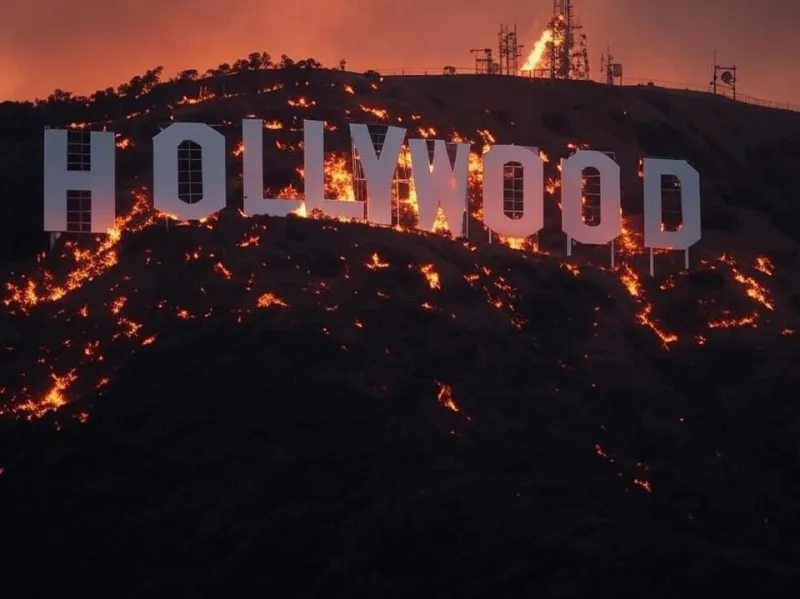
Photo: Unknown authorUnknown author, Public domain, via Wikimedia Commons
Not long ago, a deepfake video required serious technical chops and a beefy computer setup. Today, a teenager with a free app and twenty minutes can put a A-list celebrity's face on just about anything. That shift has Hollywood, streaming platforms, and entertainment lawyers in full-on crisis mode — and honestly, it's about time.
The numbers are genuinely alarming. A 2023 report from cybersecurity firm Home Security Heroes found that deepfake content online grew by over 550% between 2019 and 2023, with celebrity likenesses making up a disproportionate chunk of that surge. We're not just talking about harmless parody clips here. Fake endorsement ads, fabricated interviews, and explicit synthetic content featuring real stars without their consent have become an industry-wide nightmare.
The Stars Speaking Out
Actors aren't staying quiet anymore. Tom Hanks was one of the first major names to publicly call out an AI-generated ad using his likeness to hawk a dental plan he'd never heard of. He posted a warning directly to his Instagram followers, telling them in no uncertain terms that the ad was fake and he had nothing to do with it. Scarlett Johansson made headlines when she took legal action after an AI voice generator released a product that sounded unmistakably like her — without permission.
"It's not just about money or brand deals," entertainment attorney Lisa Bloom explained in a recent industry panel. "When someone's face or voice is used without consent, it's an attack on their identity. It creates false narratives that can genuinely damage a career and a person's mental health."
The Screen Actors Guild-American Federation of Television and Radio Artists (SAG-AFTRA) made AI protections a central demand in its historic 2023 strike, and the resulting contract included groundbreaking language requiring studios to get explicit consent before digitally replicating a performer's likeness. That was a landmark moment — but enforcement is a whole different conversation.
The Tech Fighting Tech
Here's where it gets interesting from a pure tech standpoint. Because you can't exactly out-legislate a piece of software, a growing number of companies are fighting fire with fire.
Startups like Truepic and Reality Defender have developed AI-detection tools specifically designed to flag synthetic media. Reality Defender, which counts major broadcasters among its clients, uses a multi-model detection system that analyzes everything from micro-facial inconsistencies to audio frequency patterns that human ears can't catch. The company's CEO Ben Colman has described it as "building a smoke detector for synthetic media."
Meanwhile, Adobe has been quietly rolling out its Content Authenticity Initiative, a framework that embeds cryptographic metadata into digital files at the point of creation. Think of it like a digital birth certificate — if a piece of content was captured on a legitimate camera or created in a verified tool, that provenance travels with the file. Major outlets like the BBC and the Associated Press are already adopting the standard.
Watermarking is another front in this battle. Companies like Imatag and Digimarc are developing invisible watermarks that survive even aggressive editing and re-uploading. The idea is that even if someone tries to scrub a video, the watermark stays embedded in the pixel data — giving rights holders a way to trace content back to its source.
Legal Wins That Are Changing the Game
The courtroom is starting to deliver some real results. In early 2024, a federal judge in Tennessee upheld the ELVIS Act — named, fittingly, after Elvis Presley — which extended right-of-publicity protections to include AI-generated voice clones. It was the first state law of its kind in the country, and legal experts say it's setting a template that other states are already eyeing.
On the civil side, several creators and celebrities have secured injunctions and settlements against platforms that hosted unauthorized deepfake content. While the specifics of most settlements stay confidential, the legal precedents being established are making it significantly riskier for bad actors to operate in the open.
"Every time we win one of these cases, it sends a message," says intellectual property attorney Mark Lemley, who has consulted on several high-profile AI cases. "The law is catching up faster than people think."
What Fans Can Actually Do
Okay, so what about regular people scrolling through their feeds? Because let's be real — most of us aren't running detection software before we share a clip. Here are some practical ways to keep your media literacy sharp:
Look at the edges. Deepfakes still struggle with hair, earrings, and the border where a face meets a background. If something looks slightly blurry or weirdly smooth around those areas, that's a red flag.
Check the eyes and teeth. Blinking patterns can be off, and teeth sometimes look oddly uniform or slightly misaligned in synthetic faces. Trust your gut if something feels uncanny.
Verify before you share. If a celebrity clip seems wild or out of character, take thirty seconds to search for it on a reliable news outlet before amplifying it. A lot of deepfake damage is done by well-meaning people who just didn't stop to check.
Use detection tools. Free tools like Deepware Scanner and FotoForensics can analyze images and short video clips for signs of manipulation. They're not perfect, but they're a solid first line of defense.
The Bigger Picture
What's happening in Hollywood right now isn't just a celebrity problem — it's a preview of where synthetic media is headed for all of us. The entertainment industry has the resources and the legal muscle to push back hard, and in a lot of ways it's becoming an unlikely testing ground for the rules that will eventually govern AI-generated content across the entire internet.
The fight is far from over. New generative AI models are dropping every few months, each one more convincing than the last. But between the legal momentum, the detection technology, and a growing public awareness, the people whose faces and voices are on the line are no longer sitting back and hoping for the best. They're coming for the fakes — and they're bringing receipts.